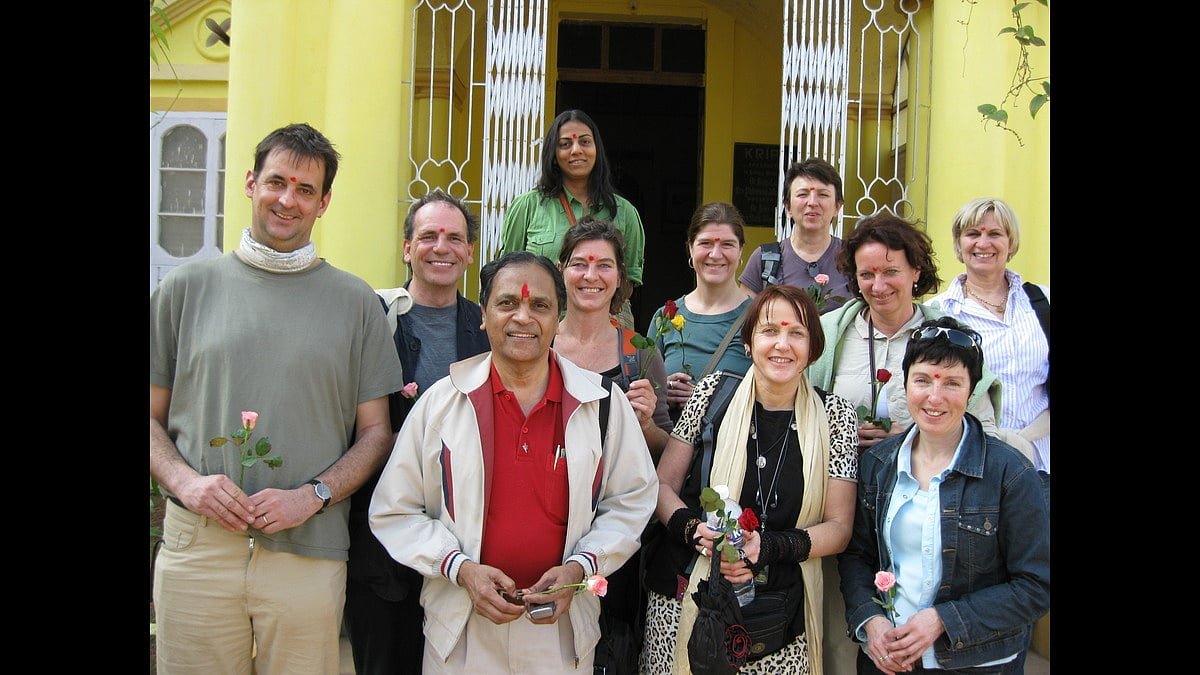
In the late 1960s, a young priest, Fr Joseph Pereira, who was at a crossroads in his faith, met Mother Teresa. This encounter inspired and encouraged him to dedicate his life not only to his faith, but also to social causes. In 1981, he founded the Kripa Foundation to empower those afflicted and affected by chemical dependency and HIV/AIDS. Today, he runs 21 centres in the country and 10 collaborative centres across the world.
Kripa, which means ‘grace,’ is founded on the belief that grace enables individuals to overcome adversity and reclaim their dignity and self-worth. The organisation views healing as a holistic process—one that goes beyond treating physical symptoms and extends to nurturing the mind, body and spirit in unison. This philosophy forms the core of Kripa’s work.
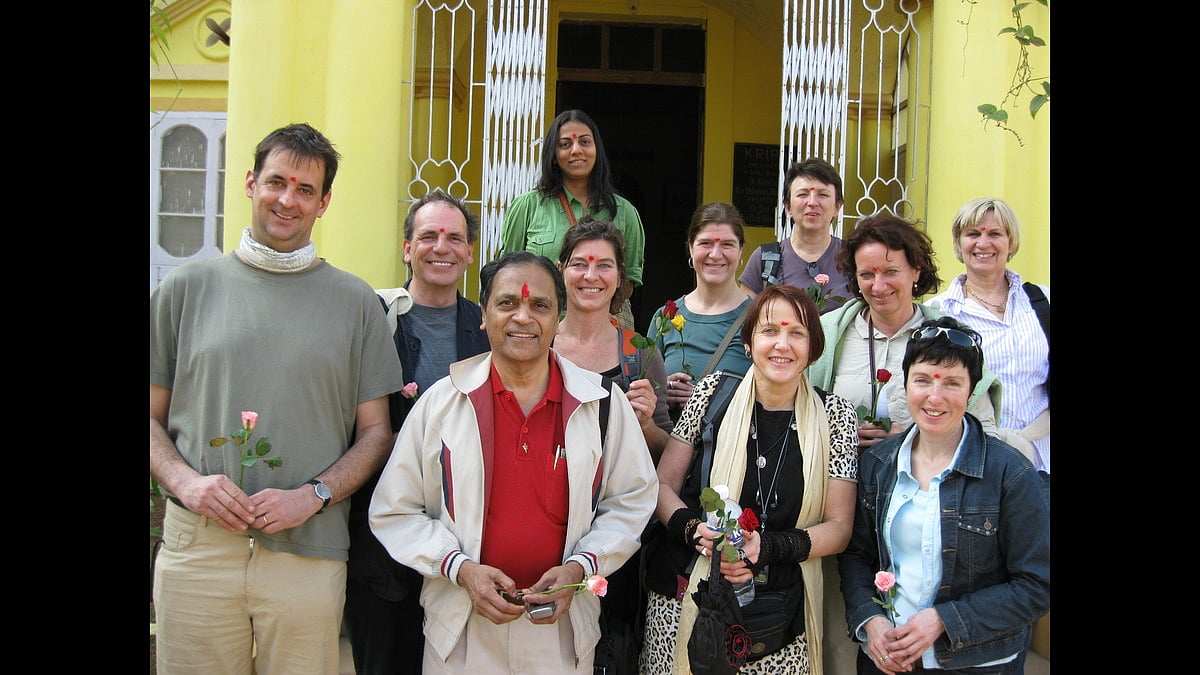
Addiction is approached as a disease rather than a moral failing, requiring compassion, understanding and a comprehensive treatment framework. Spirituality is seen as a vital element of recovery, offering individuals the strength, resilience and hope needed to rebuild their lives. The foundation’s mission is to serve society’s most marginalised and forgotten, extending care, love and support to those who need it most.
“The 12-step recovery model asks individuals to take an honest look at why they struggle to maintain a stable life—often because of unresolved trauma and certain character issues. Accountability is central to the process. We ask people to list those they have hurt and to make amends. The eleventh step focuses on prayer and meditation, and for me, meditation is especially important,” says Fr Pereira, the founder-trustee of the NGO.
Recognising that recovery is never a solitary journey, Kripa emphasises the importance of a supportive and caring community. The organisation continues to expand its reach, with the aim of bringing healing and hope to individuals affected by addiction and HIV/AIDS, irrespective of their background. Today, the Kripa Model is recognised globally for its distinctive approach to treatment—one that integrates science and faith—raising curiosity about its sustained success and its evolution into a worldwide presence.

Julio Ribeiro, IPS (Retd.), shared, “Substance abuse—particularly alcohol and drug addiction among young people—has become widespread and, disturbingly, is often treated as a fashion statement. In this context, the work of Father Joe is especially significant. His commitment to addressing addiction extends beyond Mumbai to other parts of India, including the Northeast, and even internationally. By using Iyengar Yoga as a therapeutic tool, he is helping address addiction as a disease and making a meaningful difference in the lives of young people.”