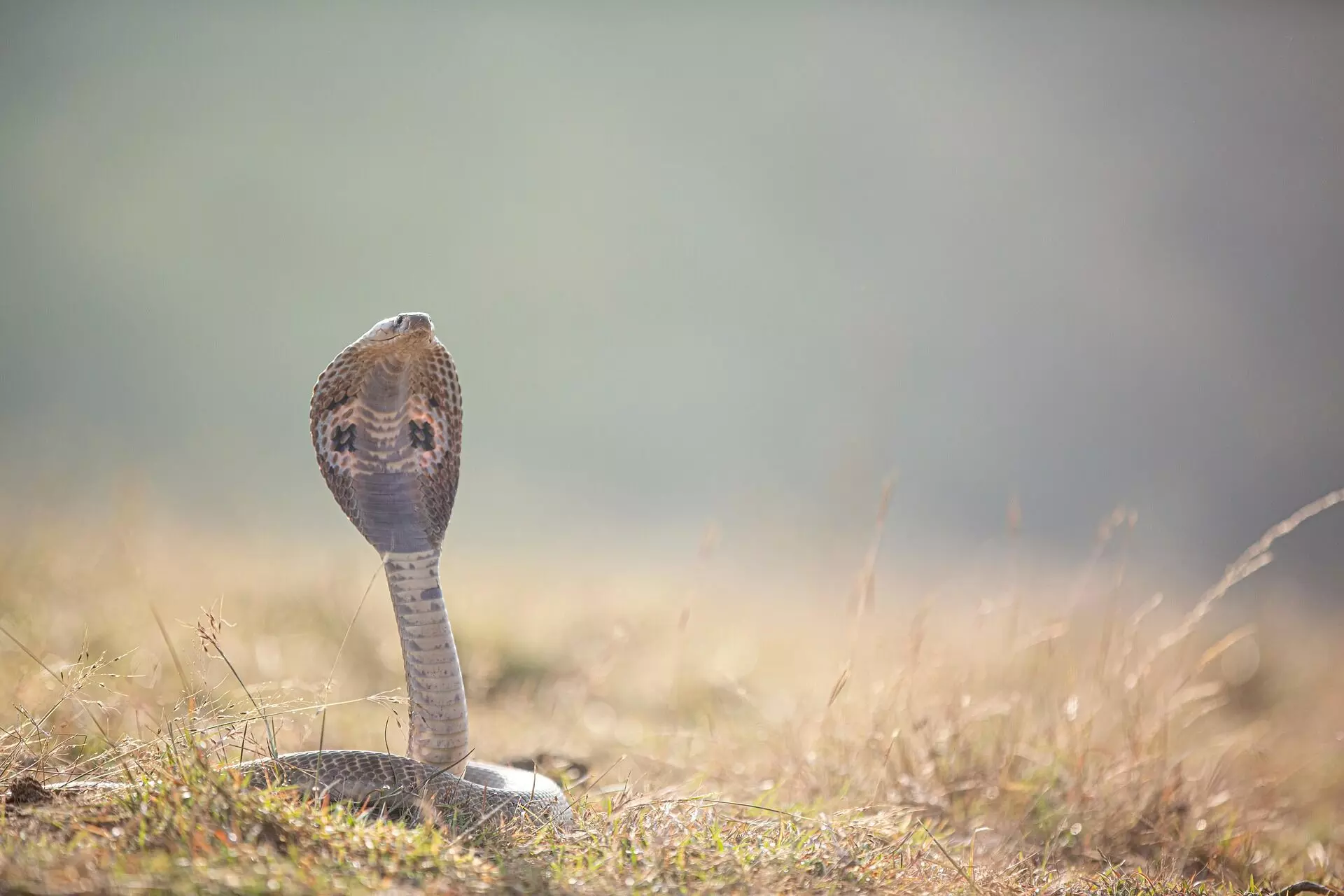
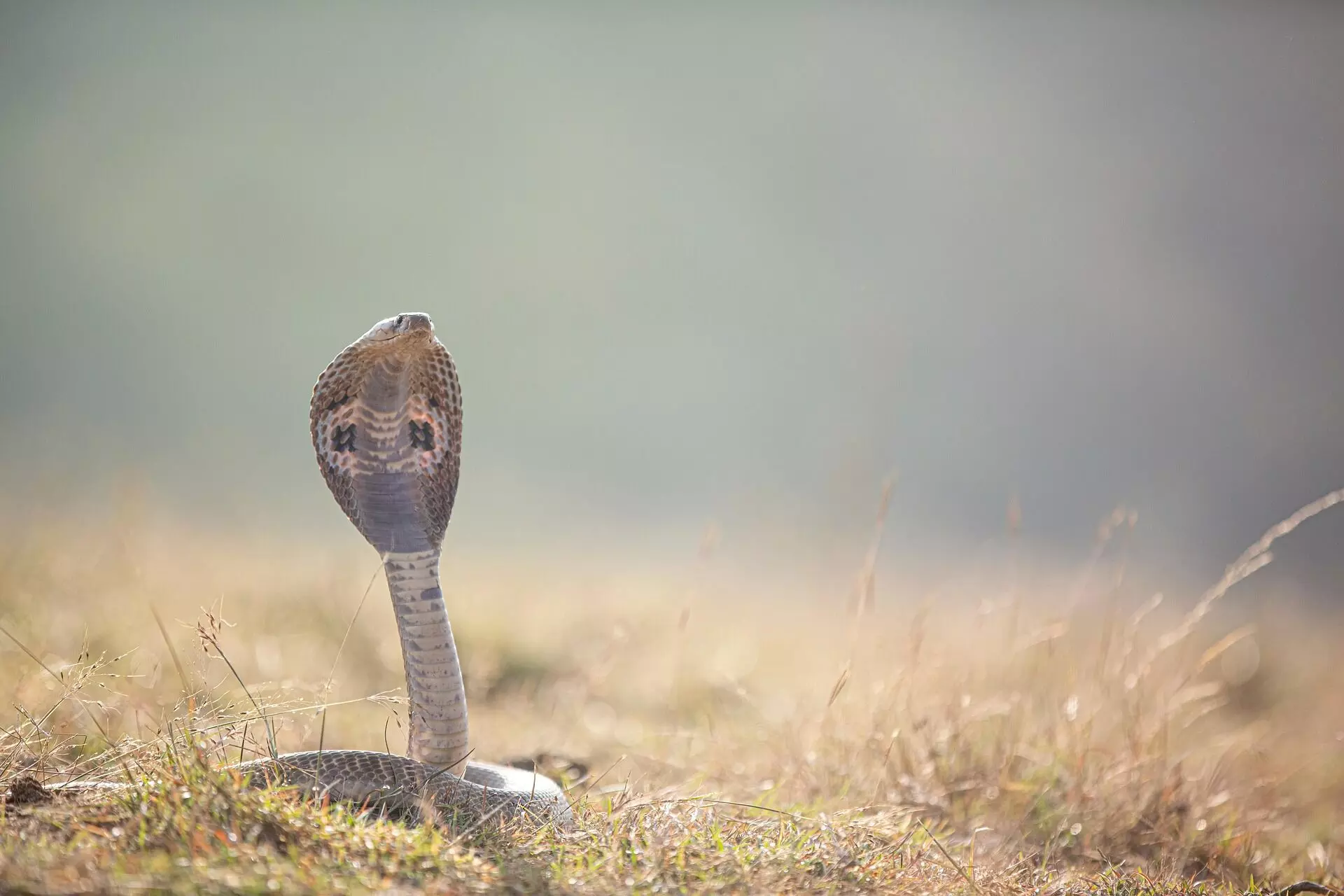
Guwahati, Dec 22: In the first confirmed survival of king cobra (Ophiophagus hannah) bite in Assam, a male patient, Babul Rabha (35), was successfully treated through a coordinated medical network.
“This case represents the first confirmed reported survival following a king cobra bite from Assam. Available literature and records mention very few cases in India, most of which were fatal. King cobra bites are extremely rare, and outcomes are often poor due to the absence of species-specific antivenom,” Dr Surajit Giri, consultant anaesthesiologist of National Health Mission and snake bite activist told The Assam Tribune.
The person, a resident of Nichinpur village of Boko in Kamrup district, sustained a snakebite at 11.30 am on December 16 while working in bushes, after unknowingly grasping the head of a snake. The bite occurred on the right palm. Initially, the patient experienced mild local swelling without pain and, therefore, reporting was delayed. Subsequently, progressive pain and swelling developed.
The man was enraged after the bite and he captured the snake and put the reptile in a bag.
Through the local communication and surveillance network, the incident was promptly brought to medical attention, and the patient was shifted by the Local Venom Response Team to Bamunigaon Model Hospital (Government CHC), Kamrup, arriving around 1 pm.
In view of progressive local symptoms and suspected cobra envenomation, 20 vials of polyvalent anti-snake venom (ASV) were administered. As there were no systemic or neurotoxic danger signs at presentation, continuation of treatment at the model hospital was initially advised.
“At approximately 2 pm, photographic identification by trained snake rescuers confirmed the species as king cobra. Considering the species involved and the absence of species-specific antivenom, the patient was urgently referred to a higher centre with intensive care facilities. Gauhati Medical College (GMC), located approximately 1.5 hours away, was identified for the purpose, and seamless inter-facility coordination ensured,” Dr Giri said.
At more than 24 hours post-bite, the patient remains clinically stable, with only persistent local pain and swelling, and no neurotoxic or systemic manifestations.
Dr Giri added that it could be a case of possible low venom inoculation or partial or dry bite. The symptoms indicate predominantly local venom effects rather than severe neurotoxicity.
While the medical team of Bamunigaon Model Hospital comprised Dr Francis Rahang and Dr Vineet, the Gauhati Medical College team was led by Prof Raj Pratim Das and the emergency ICU team.
The snake rescuers were Bikash Boro, Rubul Rajbanshi and Mantu Rabha – all from Boko, Kamrup district.
“I was present in Guwahati during this period for a State-level training programme for over 500 doctors from Assam (December 16-20) and I personally visited and interacted with the patient,” Dr Giri said.
“This case highlights that organized teamwork, timely communication, and coordinated referral systems can result in successful outcomes even in rare and high-risk envenomations such as king cobra bites. Effective snakebite management is achievable when healthcare providers, rescue teams, and referral centres function as a unified, well-coordinated team,” he added.