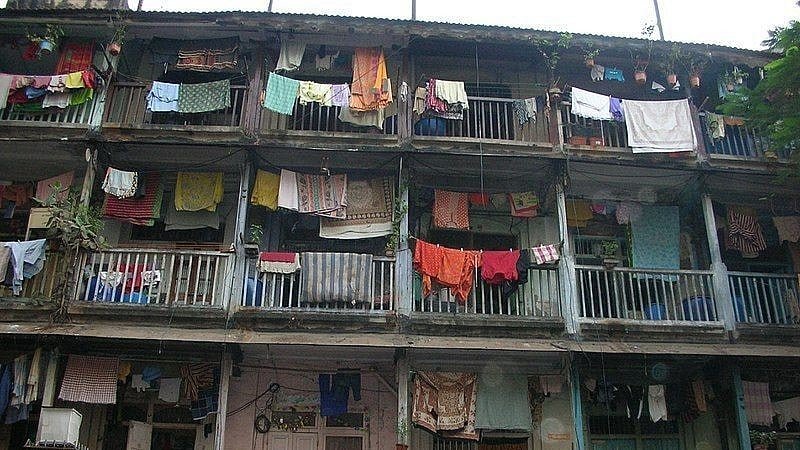
Maharashtra Deputy Chief Minister Eknath Shinde has introduced a new regulatory framework aimed at transforming the way Mumbai’s ageing pagdi buildings are redeveloped. Calling it a “historic decision”, Shinde said the move is intended to reduce the risk of structural failures, prevent loss of life and improve the pace at which old, dilapidated properties can be rebuilt. Many of these structures have remained stuck in disputes for decades, causing widespread safety concerns.
#WATCH | Maharashtra Deputy CM Eknath Shinde today made a historic announcement in the State Assembly through a statement, declaring that a separate regulatory framework will be created to free Mumbai from the pagdi system and to ensure fair and proper redevelopment of pagdi… pic.twitter.com/n64fljobun
— ANI (@ANI) December 11, 2025
What Is the Pagdi System?
The pagdi model is an old tenancy structure that dates back to pre-Independence Mumbai. Under this arrangement, tenants pay an upfront deposit to partly own the unit while continuing to pay a nominal rent. They enjoy considerable rights, including subletting, transferring occupancy, and selling their stake, making the system unique compared to conventional rental agreements.
While still legally recognised, the model is frequently criticised. The low rents mean landlords have little incentive to maintain or upgrade their buildings, while tenants, despite having occupancy rights, cannot overhaul structures on their own. This often leads to poor upkeep, increasing vulnerability and hampering redevelopment efforts.
How Many Pagdi Buildings Does Mumbai Have?
According to Shinde, the city has over 19,000 rent-controlled buildings operating under the pagdi arrangement, with many built before 1960. Only a small proportion has undergone redevelopment so far. More than 13,000 buildings are still awaiting redevelopment, while some have partially collapsed or deteriorated beyond repair.
Shinde acknowledged that redevelopment has received poor response due to long-standing legal battles, disputes over compensation, and complex ownership patterns. Many cases have remained stuck in the small-cause courts, delaying much-needed reconstruction in high-risk areas.
Why Have Redevelopment Efforts Stalled?
Tenants under pagdi are strongly protected by rent control laws, which ensure lifelong occupancy and rehabilitation rights during redevelopment. However, landlords claim they face financial losses because rents are extremely low and they must also bear the responsibility of providing tenants with alternate accommodation or rehabilitation.
This clash of interests has resulted in frequent deadlocks. In many cases, landlords find redevelopment financially unviable, while tenants resist change out of fear of losing occupancy rights.
What Changes Are Being Proposed?
The new framework aims to create a balanced structure that respects both sides while accelerating redevelopment.
Key proposals include:
FSI equal to the tenant’s current occupied area
FSI entitlement for landlords based on land ownership
Incentive FSI for economically weaker and low-income tenants to ensure their reconstruction is fully covered
Provision of TDR (Transferable Development Rights) if height or planning constraints prevent full FSI utilisation
Shinde added that a separate, detailed rulebook will be drafted, especially for buildings occupied by weaker sections, where merely increasing FSI has not been enough to make redevelopment feasible.
The government hopes these measures will break long-standing deadlocks, ensure safer housing, and eventually phase out the century-old pagdi model from Mumbai’s landscape.