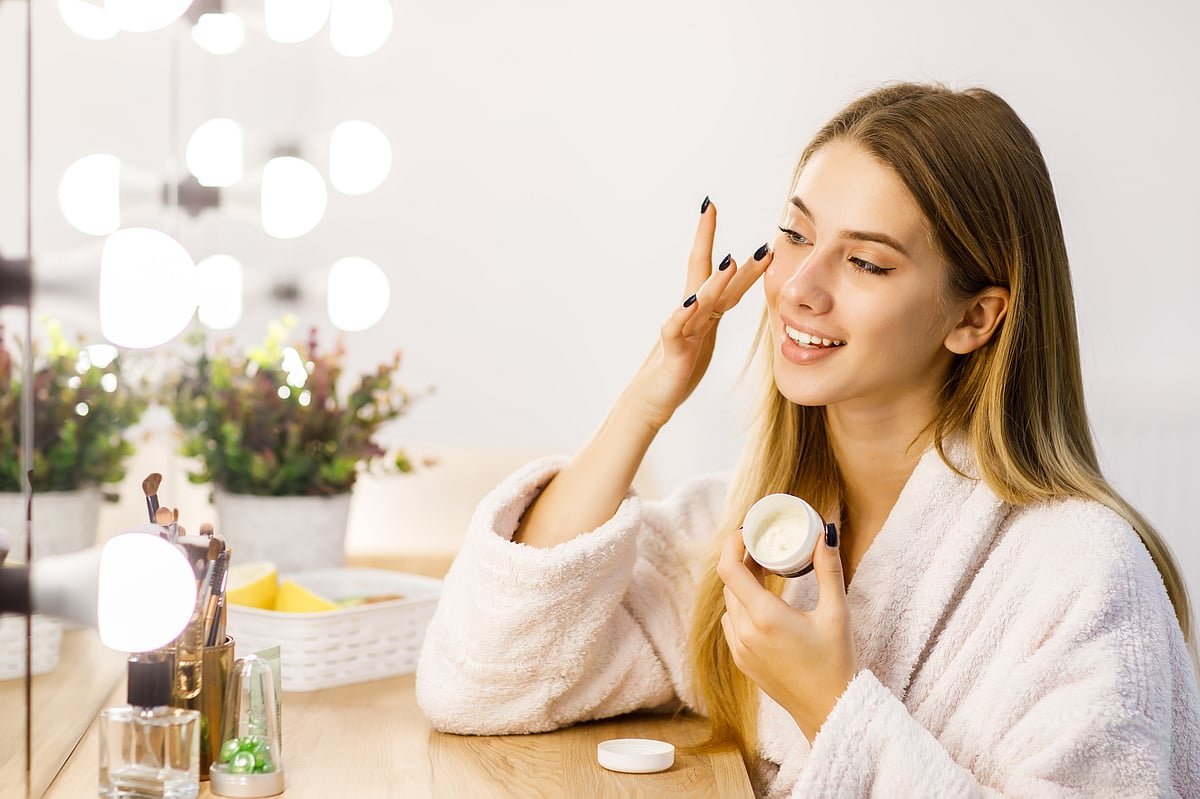
Strange, but did you know, you could sync your skincare products with your body’s internal clock? Every cell in the body — brain, liver, even the skin — has a circadian rhythm: a biological cycle that rises and falls across the day. It dictates everything from when you feel alert to when your hormones peak. And that same clock may just be the key to unlocking your skin’s radiance. That’s the quiet revolution happening in the beauty space.
What is entails
Circadian rhythm skincare offers something more elemental — a way to align your products and rituals with your skin’s own 24-hour pulse. “Syncing skincare with these cycles aligns product use with when the skin is most receptive, allowing it to function optimally. When you care for your skin according to its natural rhythm, you’re essentially working with your biology, not against it, much like eating or sleeping at the right time for overall wellness,” says celebrity dermatologist Dr Bindu Sthalekar, founder and medical director of Skin Smart Solutions. In essence, your skin should wake up and wind down according to your activities.
What the day looks like
So, how does a day in the life of your skin really unfold? Your skin follows its own circadian rhythm, a finely tuned 24-hour clock that dictates when it defends, repairs, and renews itself. “During the day, our skin’s major focus is on protection, defending against UV rays, pollution, and oxidative stress. The skin barrier is tighter, and sebum production increases to keep it hydrated and shielded. And at night, the skin switches to repair mode. Cell renewal peaks, collagen production rises, and the skin becomes more permeable, which allows deeper absorption of skincare ingredients,” explains Dr Chiranjiv Chhabra, founder and chief dermatologist at Alive Wellness Clinics.
By morning, your skin is gearing up to face environmental aggressors. Both experts agree that antioxidants like vitamin C, niacinamide, and green tea extract, along with SPF, are most beneficial in the morning. At night, as your skin moves into recovery mode, ingredients like retinol, peptides, hyaluronic acid, and ceramides work best, which support the skin’s natural repair and renewal processes.
Sleep matters too
At the same time, circadian rhythm skincare is not a replacement for sleep, nor can it reset your biology overnight. “Irregular sleep cycles, blue light exposure, stress, and even frequent travel can confuse this rhythm. Think of it like jet lag for your skin. When the clock is off, the skin doesn’t repair or protect effectively,” cautions Dr Chhabra. However, circadian skincare can be trickier when your body clock isn’t following the typical day–night rhythm, as with night-shift workers or frequent travellers who constantly cross time zones. For those working nights, you can sync your skincare routine with your sleep–wake cycle rather than the time of day.
“For those with disrupted circadian rhythms, consistency is key. Maintain a twice-daily skincare routine, even if your ‘night’ happens at 7 a.m. Use a richer, barrier-repair moisturiser, post-shift, and antioxidant-rich products before starting your day (or night). Hydration, adequate sleep, and minimal screen exposure before rest also help the skin recalibrate its rhythm,” advises Dr Sthalekar.
The research isn’t a trend born on social media. “There is an evident science behind circadian skincare, though it’s still evolving. While the concept isn’t just a marketing gimmick, the skincare industry is still learning how to best support these biological rhythms,” Dr Chhabra notes. But this concept quietly existed across cultures. Ayurveda, for instance, has long followed dinacharya—daily rituals that align body care with natural cycles. Cleansing and energising in the morning, nourishing and oiling at night.
Acknowledgment
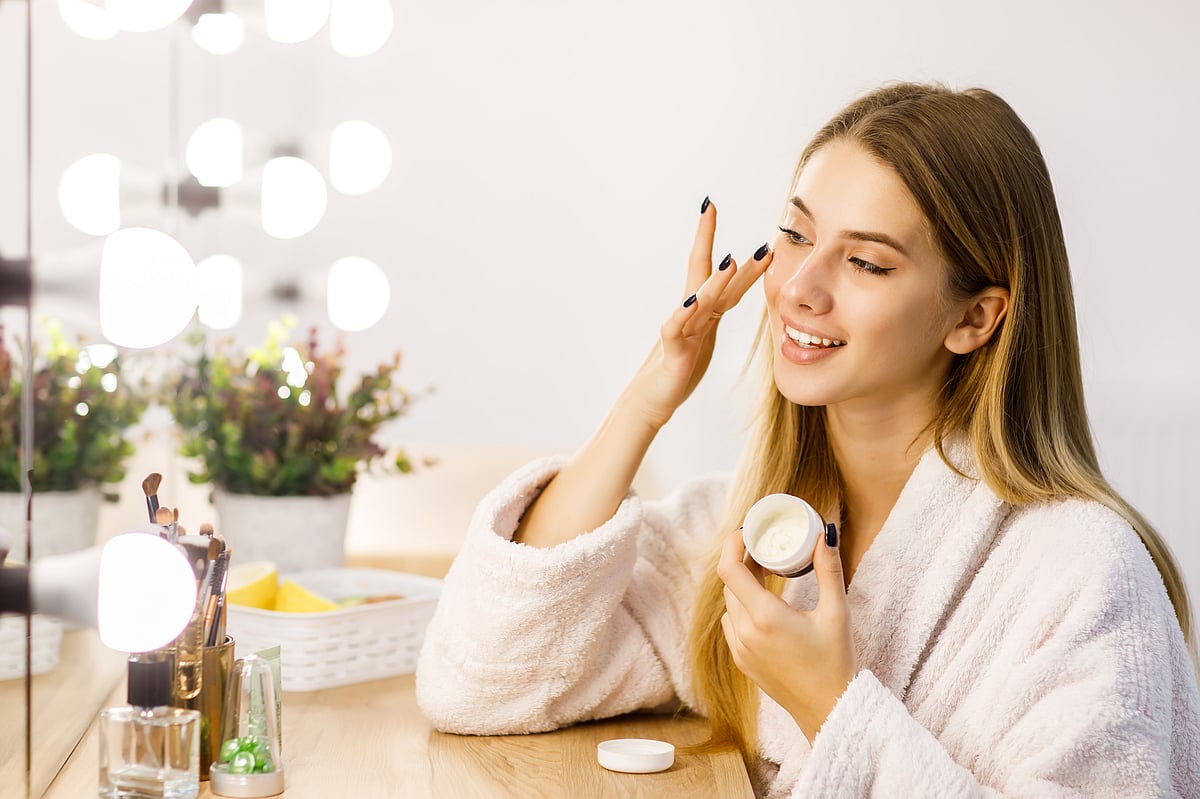
The global beauty industry and brands are catching on fast. “The concept is scientifically valid, but formulations claiming to be ‘circadian-optimised’ are relatively new. It’s an exciting intersection of dermatology and chronobiology, and while we’re in early stages, the science is very promising,” shares Dr Sthalekar. Estée Lauder built its blockbuster Advanced Night Repair on the concept of nighttime cellular renewal long before ‘circadian rhythm skincare’ became a cool word in the beauty space.
Dermatologists caution against confusing marketing rhythm with biological rhythm. A mindful approach — using the right actives at the right time — can absolutely enhance performance. “The effectiveness depends on formulation quality, delivery systems, and clinical testing. It’s best to look for brands that have data supporting these claims rather than just marketing buzzwords,” warns Dr Chhabra. Circadian skincare works best when it’s practised, not preached.
Maybe the new glow code for our skincare routine is about doing it right on time. And perhaps that’s what makes circadian rhythm skincare so promising!